 EMBLLM
This article examines injuries from conventional and radiological explosions. Explosions generate rapid exothermic reactions resulting in high-pressure shockwaves and a fireball, which can disseminate hazardous particles.
Blast injuries are categorized into five types: primary (shockwave damage to air-filled organs), secondary (projectile trauma), tertiary (body displacement injuries), quaternary (thermal burns and crushing), and quinary (radiological, chemical, or biological effects).
Key Points
- Enclosed-space detonations cause severe burns and higher fatality rates.
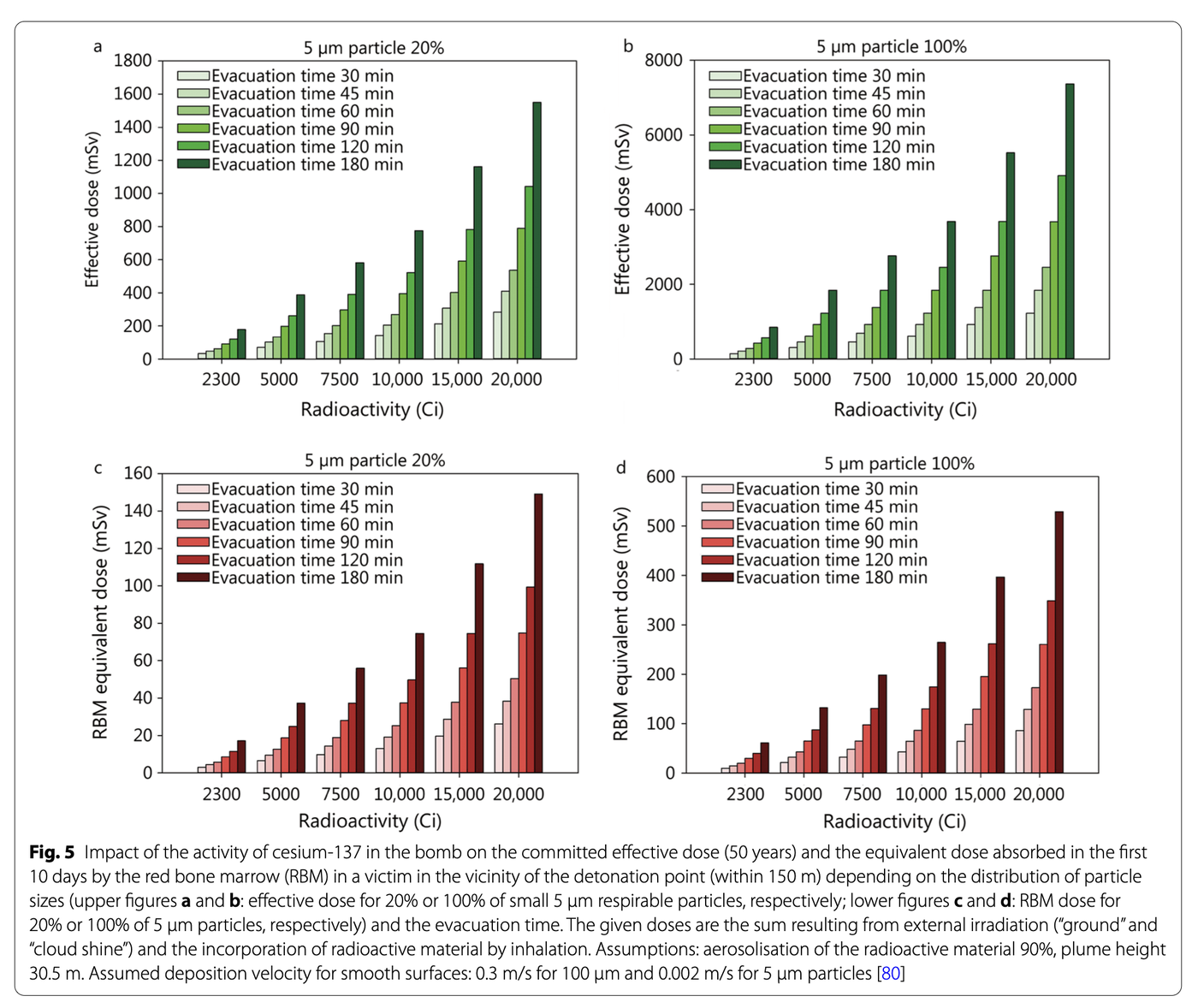
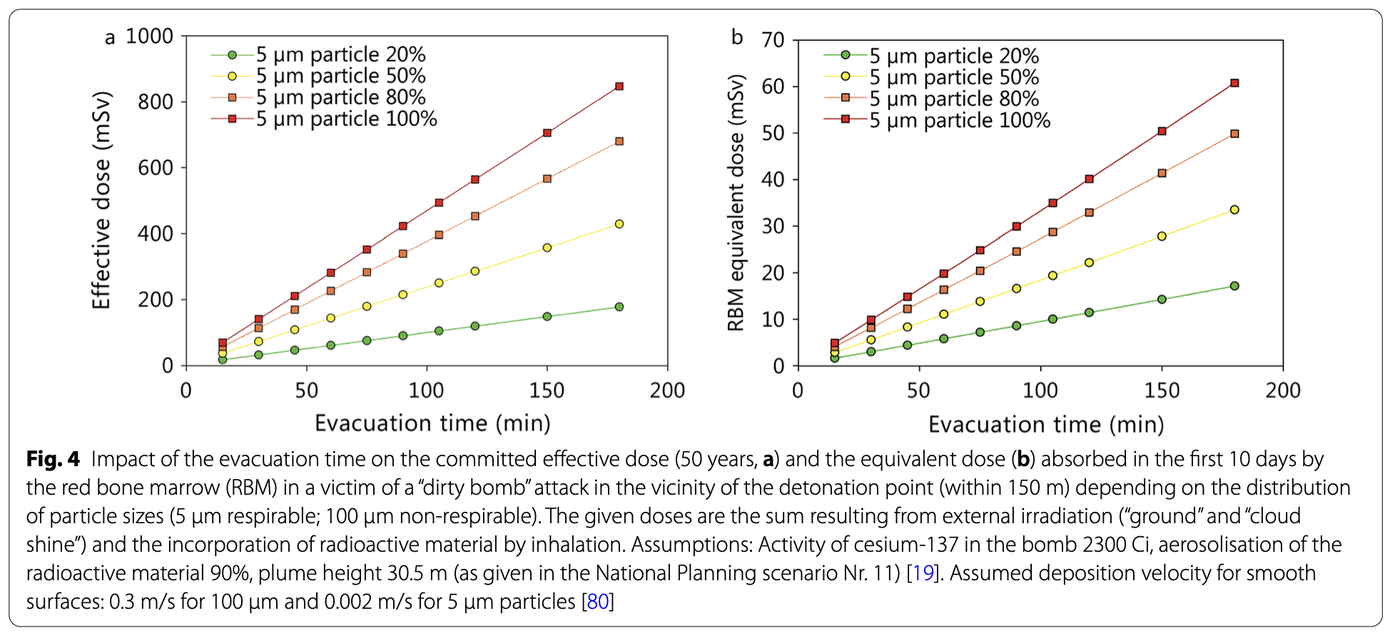
- Radiological dangers stem from external irradiation and internal contamination via inhalation.
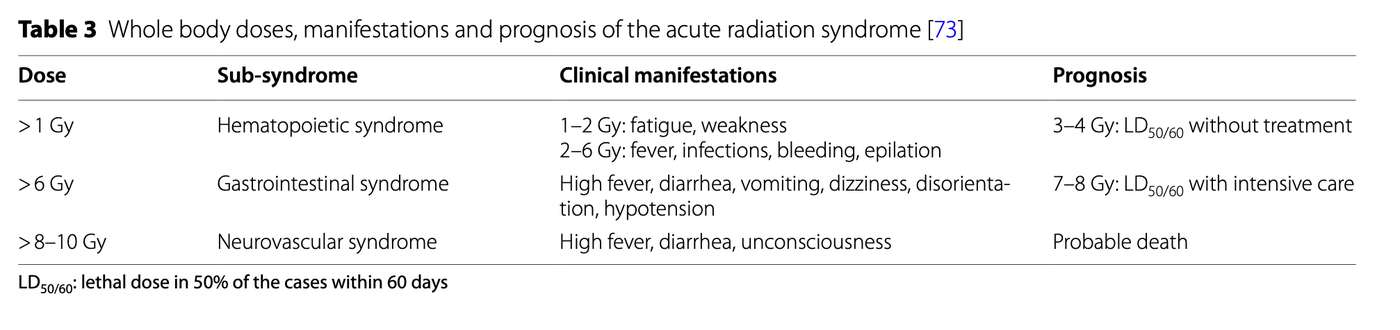
- Health consequences — including cancer risk — rise proportionally with radiation dose.
- Acute care prioritizes trauma stabilization over radiation-specific treatment, since most deaths result from immediate mechanical and thermal trauma.
- Assessment for radiological exposure remains essential for long-term health monitoring.
Key Takeaways
The literature emphasizes multiple injury mechanisms, radiological health risks from both external and internal exposure, and how explosive force, weather patterns, and particle size affect injury distribution across a scene.
Source discussed: Military Medical Research (2021).